Debbie Potts Coaching

Join my MPS 30-day Challenge with PerfectAminos

Join my MPS 30-day Challenge with PerfectAminos

๏ธโ€โ™€๏ธย Join My Perfect Aminos MPS Challenge!

This month, letโ€™s focus onย Muscle Protein Synthesis (MPS)โ€”the process your body uses to repair and build muscle tissue. As we age, optimizing MPS is key to maintaining strength and metabolic health! โœจ

Hereโ€™s how to participate on the 30-day MPS Challenge:

  1. Supplement with Perfect Aminos 1-3x dailyย to maximize muscle recovery and counteract anabolic resistance.
  2. Incorporate strength trainingย 2-3 times a week to stimulate muscle growth.
  3. Add sprint interval trainingย to your routine for enhanced metabolism and fat loss. โ€โ™‚๏ธ
  4. Adopt healthy lifestyle habits: prioritize sleep, stay hydrated, and manage stress. โ€โ™€๏ธ

โœจย Special Offer:ย Use codeย COACHDEBBIEPOTTSย to order your Perfect Aminos atย www.bodyhealth.com! โœจ

Together, we can improve how we age and keep our metabolism thriving!

Share your journey with us using #2025MPSChallenge and tag us!

Letโ€™s get stronger together!

What is Anabolic Resistance?ย ย 

Anabolic Resistance

Definition:ย Anabolic resistance is the bodyโ€™s diminished ability to build and maintain muscle mass in response to exercise and dietary protein.

As we age, the efficiency of muscle protein synthesis (MPS) decreases, leading to an imbalance between muscle breakdown and muscle building.

Mechanism:

  • Hormonal Changes:ย Aging is associated with reduced levels of hormones like growth hormone, testosterone, and estrogen, which are crucial for muscle maintenance.
  • Increased Inflammation:ย Chronic low-grade inflammation can interfere with muscle repair and growth.
  • Reduced Sensitivity to Anabolic Stimuli:ย Older adults often require more protein or higher-quality protein to stimulate MPS effectively.

What is Muscle Protein Synthesis (MPS)

Definition:ย Muscle protein synthesis is the process by which the body builds new muscle proteins. It involves the incorporation of amino acids into muscle fibers and is stimulated by factors such as:

  • Exercise (particularly resistance training)
  • Dietary protein intake

Importance:

  • MPS is crucial for muscle repair, growth, and overall health.
  • An imbalance between MPS and muscle protein breakdown can lead to muscle loss, especially in aging populations.

Solutions to Prevent Sarcopenia

General Strategies:

  1. Resistance Training:
    • Engage in regular strength training (2-3 times a week) to stimulate MPS and combat muscle loss.
    • Focus on progressive overload to continually challenge the muscles.
  2. Adequate Protein Intake:
    • Ensure sufficient protein consumption, aiming for about 1.2 to 2.0 grams of protein per kilogram of body weight, depending on activity level.
    • Distribute protein intake evenly across meals, aiming for 40-50 grams of high-quality protein per meal.
  3. Optimize Nutrition:
    • Include nutrient-dense foods rich in vitamins and minerals that support muscle health (e.g., omega-3 fatty acids, antioxidants).
    • Maintain a balanced diet with a mix of some carbs around hard workouts plus nutrient dense real foods that is healthy protein with fat naturally.
  4. Manage Body Composition:
    • Maintain a healthy body weight and reduce excess body fat to improve insulin sensitivity and muscle health.
  5. Hormonal Balance:
    • Monitor hormone levels and consider interventions (e.g., lifestyle changes, medical treatments) to address imbalances that may affect muscle health.

Specific Considerations for Females:

  • Menopausal Considerations:ย Hormonal changes during menopause can accelerate muscle loss. Engage in strength training and ensure adequate protein intake to counteract this.
  • Estrogenโ€™s Role:ย Estrogen supports muscle maintenance; strategies that balance hormones can help mitigate muscle loss during menopause.

For Athletes:

  • Customized Training Programs:ย Tailor training to include both strength and endurance components, ensuring recovery and adaptation.
  • Periodization:ย Implement training cycles that focus on different goals (strength, hypertrophy, endurance) to maximize muscle gains.
  • Post-Workout Nutrition:ย Consume protein and carbohydrates post-exercise to optimize recovery and MPS.

By incorporating these strategies, individuals can effectively prevent sarcopenia and maintain muscle health as they age, whether they are general populations, females experiencing hormonal changes, or athletes.

How to use PerfectAmino for Maximum Benefits?

PerfectAmino Usage & Dosage Guide

Achieving optimal results with PerfectAminoยฎ is easy when you follow this usage and dosage guide. PerfectAmino is composed of pure Essential Amino Acids in a precise ratio, allowing for up to 99% utilization in building new proteins and collagenโ€”without adding calories.

Serving Size

One serving (1 scoop or 5 tablets) is equivalent to approximately 30 grams of whey, pea, soy, or collagen protein, but without the caloric load.

Daily Dosage Recommendations

Your ideal daily dosage will vary based on several factors, including your fitness goals, body size, weight, workout frequency, recovery status, and any pre-existing medical conditions.

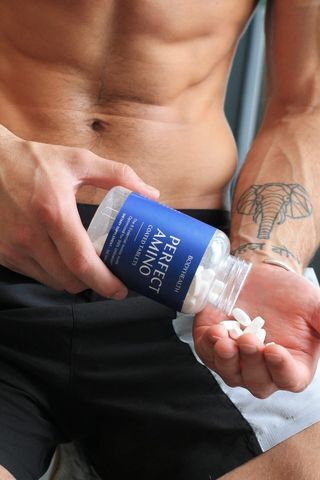
For example, two men weighing 150 lbs may consume the same protein type and amount, but individual digestive efficiency can significantly affect protein absorption. One may break down the protein into amino acids more effectively than the other. Fortunately, PerfectAmino is โ€œpre-digested,โ€ so this concern is minimized. However, individual needs may still vary.Perfect Amino Powder

PerfectAmino Usage Guidelines

If You Workout Daily:

  • Consider addingย 1-2 servingsย to your baseline dosage.
  • Take PerfectAmino before your workoutย and before bed to enhance recovery.
  • For maximum endurance and muscle preservation, takeย PerfectAmino 20-30 minutes beforeย workouts, especially during fasted sessions.
  • No need to take additional servings post-workout, as the amino acids will remain in your bloodstream forย 2-3 hours.

Intensive Workouts:

  • Larger individuals with intensive, 1-2 hour workouts may use PerfectAmino as their primary protein source:
    • 2 servings in the morning
    • 2 servings before workouts
    • 2 servings before bed

If You Are Recovering from an Illness:

  • If recovering from illness, surgery, or injury, reduce workout intensity and follow your physicianโ€™s advice.
  • For recovery, useย 1-3 servingsย based on your body weight, and consider adding an additional serving if needed.
  • Individual needs may vary, so adjust accordingly based on your recovery progress.

For Elite Athletes:

  • Some professional triathletes may takeย 10-12 servingsย daily for endurance and recovery. However, we recommend not exceedingย 6 servingsย (30 tablets or 6 scoops) unless engaged in extreme endurance sports.

Intermittent Fasting & Ketosis:

  • PerfectAmino provides usable amino acids without breaking a fast. One serving contains less than one calorie.
  • Ideal for those practicingย Intermittent Fasting; many takeย 2 servings first thing in the morningย to support muscle recovery without interrupting fat loss.

Losing Weight with PerfectAmino:

  • Helps build lean muscle, which burns fat.
  • Replaces low-utilization protein powders that can convert to sugar, preventing insulin spikes and fat storage.

Counting Macros:

  • PerfectAmino has no caloric impact, making it an excellent choice for maintaining protein intake without added calories.
  • Replace other protein sources:
    • Whey, Collagen, Pea, Soy: 30g = 1 serving of PerfectAmino
    • Meats, Fish, Poultry: 15g = 1 serving
    • Whole Eggs: 10g = 1 serving
    • BCAAs: Avoid, as they convert to sugar.

Important Considerations:

  • Amino acids are vital for muscle, bone, nerves, and hormones.
  • Maintain a balanced diet with healthy fats, low-glycemic carbs, minerals, and vitamins (especially B12).
  • Some may experience digestive adjustments when starting PerfectAmino; consult a physician if needed.
  • If experiencing digestive issues, consider:
    • Taking aminos with food initially.
    • Starting with 1 serving per day.
    • Increasing water intake if constipated.

Adjust your PerfectAmino intake as needed, and listen to your bodyโ€™s signals for the best results!

Starting Dosage Based on WeightPerfect Amino Tablets

To help you get started, here are the recommended baseline amounts based on your body weight:

  • Up to 110 lbs: 1-2 servings first thing in the morning or before bed.
  • 110 โ€“ 140 lbs: 2 servings first thing in the morning or before bed.
  • 140 โ€“ 170 lbs: At least 2 servings first thing in the morning and 1 before bed.
  • 170 โ€“ 200+ lbs: At least 2 servings first thing in the morning and 1-2 before bed.

Timing for Best Results

For maximum utilization, itโ€™s best to take PerfectAmino 30 minutes before consuming fats or proteins, or 1-2 hours after. However, if this isnโ€™t feasible, donโ€™t worryโ€”you can still achieve impressive results with up to 99% utilization!

You should start noticing positive changes within a couple of weeks if you adhere to these recommended amounts.

Note on Dosage

When taking two servings in a day, it is most effective to consume them at the same time rather than splitting them up.

Need Help?

If you have questions or need further assistance,ย donโ€™t hesitate to reach out to BodyHealth.ย Weโ€™re here to help you get the best results possible!

For additional support and to connect with others using PerfectAmino, consider joining our Facebook group. You can share experiences and ask questions freely!

Start your journey to improved health, energy, and muscle growth with PerfectAmino today using our code COACHDEBBIEPOTTS to save up to 20% on your order!

https://bodyhealth.com/pages/perfectamino-user-guide-how-to-use-perfectamino-for-maximum-benefits

Essential Amino Acids (EAAs) vs Non-Essential Amino Acids

  • 22 different amino acidsย are used by the human body, categorized into:
    • Essential Amino Acids (EAAs): Must be obtained from food; the body cannot produce them.
    • Non-Essential Amino Acids: Can be synthesized by the body from EAAs.
  • EAAs are indispensable: The body needs all EAAs in the correct ratio to build new proteins and collagen for various functions (e.g., muscles, bones, enzymes, hormones).
  • Exact ratios are crucial: EAAs must exist in specific proportions to be useful. If even one EAA is missing or in excess, the body canโ€™t synthesize new proteins effectively.
  • Excess amino acids: Cannot be stored and are converted into glucose or triglycerides after a few hours of circulation, which contribute to calories.
  • Different protein sources vary in effectiveness: Proteins differ in their ratio of EAAs, leading to more or fewer calories depending on how much is converted into energy rather than building new proteins.
  • Protein sources like eggsย have more EAAs in the correct ratio compared to whey or pea protein, making them more efficient in protein synthesis and less likely to result in excess amino acids.
  • PerfectAminoย provides an ideal ratio of EAAs, withย 99% utilizationย for building protein, leading to minimal excess converted to calories, making it highly efficient.

Amino Acid Functions in the Body

  • Body structure: Amino acids form the building blocks of bones, muscles, skin, ligaments, tendons, cells, hormones, immune cells, enzymes, hair, nails, nerve cells, and stomach acid.
  • 20,000 different proteins: The body contains around 20,000 different proteins, each serving vital functions.
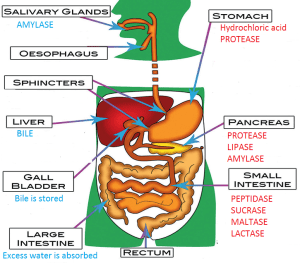
  • Protein digestion: When you eat protein, itโ€™s broken down in the stomach and small intestine into individual amino acids, which then circulate in the bloodstream.
  • Utilization: Cells use these free-floating amino acids to repair tissues, form new cells, make hormones, enzymes, or carriers, provided that all EAAs are present in the correct ratios.
  • Adequate intake of amino acidsย ensures the body can create the proteins it needs to maintain and repair tissues.
  • Two main types of amino acids: Essential Amino Acids (EAAs) and Non-Essential Amino Acids.
  • Non-Essential Amino Acids: Can be synthesized by the body; not required from dietary sources.
  • Essential Amino Acids (EAAs): Cannot be synthesized by the body; must come from dietary protein.
  • Non-essential amino acids are made from essential amino acids.
  • All EAAs are needed to synthesize proteins; missing even one prevents new protein formation.
  • The โ€œlimitingโ€ amino acid is the missing or deficient essential amino acid, which limits protein synthesis.
  • BCAAs (Branched-Chain Amino Acids), though essential, cannot build new proteins without all EAAs present.
  • The body also requires EAAs in specific ratios to each other for optimal protein synthesis.
  • Different protein sources (e.g., whey, pea, soy, meat, eggs) contain different ratios of EAAs.
  • The bodyโ€™s ability to synthesize protein is limited by the essential amino acid that is least available in the required ratio.

What is Perfect Aminos from BodyHealth?

  • Perfect Aminosย is a supplement by BodyHealth that contains a blend of allย 8 essential amino acids (EAAs)ย required for efficient protein synthesis.
  • The product is designed to provide a balanced ratio of EAAs to help the body build and repair muscle, improve endurance, and promote recovery.
  • Unlike many protein supplements, Perfect Aminos claim to haveย 99% bioavailability, meaning the amino acids are efficiently used by the body for protein synthesis without producing excess waste.

Suggested Dose to Stimulate MPS:

  • The recommended dosage forย Perfect Aminosย is typicallyย 5-10 gramsย of essential amino acids per serving to stimulate muscle protein synthesis, particularly for athletes or those engaging in resistance training.
  • For optimal results, itโ€™s suggested to takeย around 10 grams pre- or post-workout, or as advised by a healthcare provider based on individual needs.

Summary of Protein and Perfect Amino:

  • Proteins are made of amino acids, divided into essential (from food) and non-essential (made by the body).
  • Essential amino acids (EAAs)ย are required to make new protein; missing even one prevents protein synthesis.
  • Theย ratio of EAAsย is critical for protein synthesisโ€”any excess of one amino acid cannot be used and is wasted.
  • Protein from food is broken down into amino acids, and only EAAs in the correct ratio are used to make new proteins.
  • Excess amino acidsย are converted to glucose, ketones, or used as fuel, contributing to calories.
  • Different protein sources vary in how efficiently they are utilized for protein synthesis:
    • 48% for whole eggs
    • 18% for whey protein
    • 16% for soy protein
  • Excess amino acids result in nitrogen output, which can be measured to show the percentage of amino acids used or wasted.
  • Perfect Aminoย provides theย exact ratio of EAAsย required for 99% protein utilization, leaving less than 1% as excess.
  • Perfect Aminoย yields onlyย 0.04 calories per 5 gramsย and is nearly fully utilized for new protein synthesis.

How much new protein your body can synthesize from the EAAs in a specific protein source comes down to how much of each essential aminoย acidย existsย in the correct ratioย within that protein source.ย (6)

  • โ€œThe nutritional quality of aย food proteinย depends on the absolute content ofย essential amino acids, the relative proportions of essential amino acids, and their ratios toย nonessential amino acids.โ€ย (16)
  • If a protein source, such as whey, consists of only 18% EAAs in the correct ratio to make new protein, with the other 82% being individual EAAsย in excessย of the correct ratio, or of other non-essential amino acids, then only 18% of the whey you are consuming can be used inside the body to make new protein.ย 
  • The other 82% of the protein (essential and non-essential amino acids) is excess, and therefore cannot be used to make new protein on its own.
  • And this is where calories come in.ย 
  • Because this excess isnโ€™t stored or saved for later, and your body has to do something with it.ย 

GLUCONEOGENESIS: HOW PROTEIN IS CONVERTED TO ENERGY (CALORIES)

  • Excess carbohydrates are stored as glycogen in muscles and the liver.
  • Glycogen is broken down into sugar when energy is needed.
  • If glycogen stores are full, excess sugar is converted into triglycerides and stored as fat.
  • Excess dietary fat is also stored as body fat if not used for energy.
  • The body cannot store amino acids from proteins.
  • Excess amino acids are either:
    • Broken down into glucose or ketones for energy,
    • Converted into fat via lipogenesis, or
    • Directly oxidized as fuel.
  • Protein calories are only released when excess amino acids are broken down, not when they are used to build new muscle or proteins.

Conditions Caused by Protein Deficiency:

  • Weakened Immune System:
    • Lack of protein limits the bodyโ€™s ability to build new immune cells.
    • Leads to increased susceptibility to illness and infections.
    • Longer recovery times due to insufficient immune response.
  • Hormonal Imbalances:
    • Protein deficiency affects hormone production (thyroid, adrenaline, cortisol, estrogen, progesterone, testosterone).
    • Results in various issues such as osteoporosis, mood swings, increased body fat, lower muscle mass, and energy fluctuations.
    • Chain reactions between hormones can create different symptoms for different people.
  • Muscle Loss:
    • Insufficient protein intake prevents muscle maintenance and growth.
    • Leads to reduced muscle mass over time.
  • Skin Aging:
    • Lack of protein and collagen production results in drier, more wrinkled skin.
    • Collagen, a protein necessary for skin elasticity, is affected.
  • Bone Health:
    • Protein deficiency prevents the healing of microscopic fractures in bones.
    • Leads to bone weakness and increased risk of brittleness over time.
  • Digestive Issues:
    • Insufficient protein results in lower stomach acid and enzyme production.
    • Affects digestion and the bodyโ€™s ability to fully break down and absorb proteins.
  • Accelerated Aging:
    • Aging combined with protein deficiency reduces digestive juice production.
    • This limits the absorption of essential amino acids, contributing to muscle loss and osteoporosis.

Proteins, PerfectAmino, & Our Kidneys:

  • PerfectAmino Absorption:
    • Provides essential amino acids (EAAs) already broken down for immediate use.
    • Efficient absorption even if digestive tract isnโ€™t optimal.
  • Increased Protein Synthesis:
    • 4 servings of PerfectAmino may build more protein than other dietary sources combined.
    • Noticeable improvements in energy, recovery, and muscle building.
  • Low Calorie, High Efficiency:
    • PerfectAmino delivers protein without the extra calories found in traditional sources.
    • Some claim excess protein is toxic due to nitrogen waste.
  • Nitrogen and Kidney Health:
    • Unused amino acids are broken down, releasing nitrogen that kidneys must process.
    • PerfectAmino results in almost no nitrogen waste, minimizing kidney strain.
    • Other protein sources (e.g., eggs, whey, pea protein) release more nitrogen waste, increasing kidney load.
    • BCAAs, which lack all EAAs, generate nearly 100% nitrogen waste.
  • Impact of Low-Utilization Proteins:
    • Lower quality proteins result in more nitrogen waste and fewer usable amino acids.
    • High nitrogen waste can overwhelm kidneys, leading to potential issues, especially for bodybuilders consuming large amounts of poor-quality proteins.
  • Benefits of PerfectAmino:
    • Provides the exact ratio of EAAs, fully absorbed regardless of digestive health.
    • Supports faster recovery, lean muscle growth, stronger bones, smoother skin, and improved hair health.
    • Enhances energy, mood, and hormonal balance.
  • Unique Results:
    • Effects vary depending on an individualโ€™s protein deficiency.
    • Results can include tendon healing, relief from dry eyes, and more.
  • No Harm from Increased Intake:
  • Conclusion:
    • PerfectAmino is a highly efficient protein source that minimizes nitrogen waste and supports overall health.


Side not on the critical role of digestion, particularly concerning protein, in overall health, muscle building, and fat loss.

https://bodyhealth.com/blogs/news/why-proper-protein-digestion-is-so-important

Digestive Health and Its Impact

  • Protein Digestion and Absorption:
    • The efficiency of our digestive tract in breaking down protein directly influences our bodyโ€™s ability to build muscle and lose fat.
    • If protein isnโ€™t digested properly, we miss out on essential amino acids, which are vital for muscle repair, hormone regulation, and overall health.
  • Energy Levels and Hormones:
    • Poor digestion can lead to energy deficits and hormone imbalances.
    • For example, undigested protein can trigger an immune response, increasing cortisol levels.
    • Elevated cortisol can hinder fat loss and promote muscle breakdown.
  • Inflammatory Responses:
    • Inadequate digestion can lead to inflammation and conditions like Leaky Gut, where the intestinal lining becomes permeable.
    • This allows undigested food particles and toxins to enter the bloodstream, potentially triggering immune responses that confuse the body into attacking its own cells.
  • Nutrient Utilization:
    • When protein is not fully digested, the body receives fewer usable nutrients.
    • This inefficiency leads to wasted food intake, contributing to deficiencies that can impact muscle growth, hormone balance, and overall energy.
  • Impact of Processed Foods:
    • The modern diet, often high in processed foods and sugars, can compromise digestive health.
    • This may result in digestive issues like heartburn, bloating, and irritable bowel syndrome (IBS), as well as create an environment conducive to harmful bacteria and parasites.

The Importance of Essential Amino Acids

  • Essential Amino Acids (EAAs): These are the building blocks of protein that the body cannot produce on its own.
  • Proper digestion ensures that we obtain enough EAAs, which are crucial for muscle synthesis, hormone production, and cellular repair.

Optimizing Digestion

To maintain optimal digestion and support overall health, consider these strategies:

  1. Dietary Adjustments: Focus on whole, minimally processed foods, and prioritize high-quality protein sources.
  2. Digestive Health Support: Incorporate digestive enzymes or probiotics to aid in breaking down food and promoting gut health.
  3. Mindful Eating: Chew food thoroughly and eat slowly to enhance digestion.
  4. Hydration: Stay well-hydrated, as water plays a role in digestion and nutrient absorption.
  5. Stress Management: Stress can negatively impact digestion, so practices like mindfulness, meditation, or regular physical activity can be beneficial.

By understanding and addressing the importance of digestion, especially regarding protein, you can improve your bodyโ€™s ability to build muscle, manage weight, and support overall health.
HOW WE KNOW HOW MUCH OF A PROTEIN SOURCE IS USED VS HOW MUCH IS CONVERTED TO ENERGY (CALORIES)

The keyย elementsย of an amino acid are carbon, hydrogen, oxygen andย nitrogen.

โ€œAmino acid decomposition results in hydrocarbons and nitrogenous waste.

However, high concentrations of nitrogen are toxic, as they produce ammonium ions.

The Urea Cycle and Amino Acid Processing

  • Nitrogen and Amino Acids:
    • Nitrogen is a key component of amino acids.
    • Released during deamination, which is measurable through urine, feces, and sweat.
    • Enables precise measurement of amino acid utilization in the body.
  • Anabolic vs. Catabolic Pathways:
    • Anabolic Pathway: Amino acids used for protein synthesis; no nitrogen is released.
    • Catabolic Pathway: Excess amino acids are broken down (deaminated), releasing nitrogen.
  • Measuring Nitrogen:
    • Molecular weight of an amino acid: 110 Da; nitrogen makes up 16%.
    • Total nitrogen in protein can be measured before consumption, allowing comparison with nitrogen output after.
  • Nitrogen Output Measurement:
    • If nitrogen is released, it indicates amino acids were catabolized for energy.
    • If no nitrogen is released, amino acids were anabolized into new proteins.
  • Protein and Glucose Conversion:
    • From 100 g of ingested protein, 50โ€“80 g of glucose can be derived.
    • Example: 10 g of protein contains 1.6 g of nitrogen (16%).
      • If 0.8 g of nitrogen is released, 5 g of protein were used for synthesis and 5 g converted to energy (20 calories).
  • PerfectAmino Advantages:
    • Near-zero excess: 0.04 calories per serving of 5 g.
    • Multiple studies confirm the precise ratio of essential amino acids needed for protein synthesis.
  • Comparative Analysis of Protein Sources:
    • Whole Hen Eggs:
      • 48% of EAAs in the correct ratio for synthesis; 52% are excess.
      • Effective caloric measurement: 2.08 calories per gram.
    • Whey Protein:
      • 18% of EAAs are in the correct ratio; 82% are excess.
      • Effective caloric measurement: 3.28 calories per gram.
    • BCAAs:
      • Consist of three essential amino acids; fully excess and subject to deamination.

โ€œAn extensive search of the literature has revealed no studies in human subjects in which the response of muscle protein synthesis to orally-ingested BCAAs alone was quantified, and only two studies in which the effect of intravenously infused BCAAs alone was assessed. Both of these intravenous infusion studies found that BCAAsย decreasedย muscle protein synthesis as well as protein breakdown, meaning a decrease in muscle protein turnover. The catabolic state in which the rate of muscle protein breakdown exceeded the rate of muscle protein synthesis persisted during BCAA infusion.โ€ย (10)ย -https://bodyhealth.com/blogs/news/the-science-behind-perfectamino-amino-acid-utilization

Understanding Perfect Amino Acids and Muscle Protein Synthesis

Hereโ€™s a concise summary of key points regarding Perfect Aminos and muscle protein synthesis (MPS):

  • Protein Quality Varies:ย Not all proteins provide the same amount of usable protein. For example, 1 gram of whey protein is not equivalent to 1 gram of protein from whole eggs in terms of MPS.
  • Caloric Misconceptions:ย The idea that all proteins yield 4 calories per gram is misleading. Calories measure energy from macronutrients, but proteins have varied effects on energy production based on their source.
  • Energy Production:ย When proteins are consumed, they are broken down into amino acids. Only some are used for energy; the rest are used to build new proteins, which do not produce calories.
  • Essential vs. Non-Essential Amino Acids:
    • Essential Amino Acids (EAAs):ย Must be obtained from food; necessary for synthesizing all proteins.
    • Non-Essential Amino Acids:ย Can be synthesized by the body using EAAs.
  • Limiting Amino Acids:ย If even one essential amino acid is missing, protein synthesis is limited. The body cannot build proteins without the right ratios of EAAs.
  • Amino Acid Digestion:ย Proteins are fully broken down into free amino acids before being utilized. They do not retain their original protein form in the body.
  • Caloric Content of Amino Acids:ย Perfect Aminos provide pure EAAs with minimal caloric contentโ€”less than one calorie for every five grams. This contrasts with traditional protein sources, which may yield more calories due to excess amino acids.
  • Gluconeogenesis:ย Excess amino acids that arenโ€™t used for protein synthesis can be converted to glucose or ketones for energy.
  • Nitrogen Measurement:ย The nitrogen released during amino acid breakdown helps determine how much of the protein is used for energy vs. protein synthesis.
  • Comparative Efficiency of Protein Sources:
    • Whole Eggs:ย 48% of EAAs are usable for protein synthesis, yielding about 2.08 calories per gram.
    • Whey Protein:ย Only 18% of EAAs are usable, resulting in about 3.28 calories per gram.
    • BCAAs:ย Composed of three EAAs, they cannot independently stimulate MPS, leading to excess that must be deaminated.

Perfect Aminos offer a highly efficient source of essential amino acids that maximizes muscle protein synthesis while minimizing caloric intake. Understanding the role of amino acids and the quality of protein sources is crucial for optimizing your nutrition and fitness goals.
 

Check Out Our

Podcast Youtube Channel

Related Posts

BLOG

Are you doing interval training correctly?

Are you really doing HIIT or SIT?ย  What are your ZONES? Going from Intensity Zones to Heart Rate Zones Exercise intensity zones are determined by the bodyโ€™s metabolic response at

BLOG

Mineral Balancing & The High Performer

CHRONIC STRESS Solutions:ย  Balancing your Minerals BEAM Minerals and Mineral Balancing for HPA Dysfunction, Adrenal Exhaustion, and Cortisol Dysregulation HPA axis dysfunction (often referred to as “adrenal exhaustion”) is typically

BLOG

Do Blood Flow Restrictive Bands work?

Blood Flow Restriction (BFR) Training โ€“ Benefits and Mechanisms of Action Blood Flow Restriction (BFR) training, such as with BStrong bands, involves restricting venous blood flow while maintaining arterial inflow

Scroll to Top
๐Ÿ—“ Free Live Masterclass

Stop Guessing.
Start Thriving in Midlife.

Join Coach Debbie Potts for a free 45-minute live session on rebuilding your metabolism, restoring energy, and preserving lean muscle โ€” no matter your age.

๐Ÿ“… Monday, May 18, 2026 ยท โฐ 4:00 โ€“ 4:45 PM PST ยท ๐Ÿ’ป Live on Zoom

No spam. Just your Zoom link and session details.

Help Spread the Word!

Help Spread the Word!

You are on your way to feeling and becoming the best version of yourself! Invite your friends to join you in this journey.ย ย Share our free resources with your friends and family.ย  We can make an impact together with ‘The WHOLESTIC Method’ approach to transforming the WHOLE you from the inside out to improve health, performance and longevity.

Please fill out this form so we know where to send the FREE eBook

Privacy Policy: We hate spam and promise to keep your email address safe