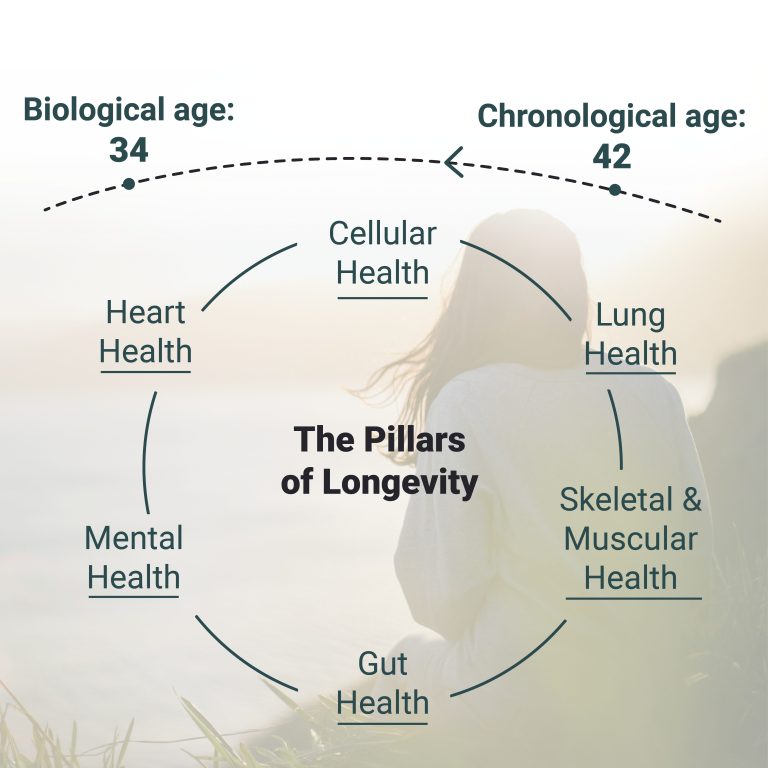

Are you in METABOLIC harmony?
Metabolic harmony refers to a state of optimal balance and function within the body’s metabolic systems. It means that all processes—such as energy production, hormone regulation, digestion, nutrient absorption, and waste elimination—are working efficiently and in sync with one another. In this state, the body adapts well to stress, maintains stable energy levels, and supports overall health and vitality.
Key components of metabolic harmony include:
- Balanced Hormones: Hormones like insulin, cortisol, thyroid hormones, and sex hormones are in proper balance, supporting energy regulation, mood, and physical performance.
- Efficient Energy Production: The body effectively uses carbohydrates, fats, and proteins as fuel, with a flexible metabolism that can switch between these fuel sources as needed (metabolic flexibility).
- Optimized Digestion and Gut Health: The gastrointestinal system functions smoothly, with diverse and balanced gut microbiota supporting nutrient absorption, immune function, and inflammation control.
- Minimal Inflammation: Chronic, low-grade inflammation is kept in check, reducing the risk of chronic diseases and promoting recovery and resilience.

- Personalized Nutrition: The body is nourished in alignment with its unique needs, preferences, and genetic predispositions, allowing for sustained energy and wellness.
- Stress Resilience: Effective stress management reduces chronic cortisol dysregulation, supporting metabolism, sleep, and overall health.
- Lifestyle Synergy: Nutrition, movement, sleep, hydration, and mindfulness practices align to promote balance and vitality.
Achieving metabolic harmony often requires a bio-individual approach, recognizing that everyone’s metabolic systems are unique and influenced by factors such as genetics, environment, lifestyle, and health history. It emphasizes personalization, balance, and adaptability to support thriving as one ages.
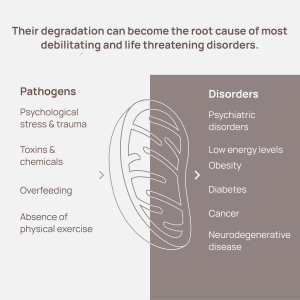
What is Mitochondria Function?
Mitochondria are the powerhouse of the cell, responsible for producing energy in the form of adenosine triphosphate (ATP) through oxidative phosphorylation. Key roles include:
- Energy Production: Using oxygen to convert nutrients (glucose and fatty acids) into ATP.
- Metabolism Regulation: Participating in the metabolism of carbohydrates, fats, and proteins.
- Cellular Signaling: Regulating calcium homeostasis and reactive oxygen species (ROS) signaling.
- Apoptosis: Controlling programmed cell death to maintain healthy cell turnover.
Mitochondria Capacity
Mitochondrial capacity refers to the ability of mitochondria to produce ATP efficiently during sustained energy demand. It encompasses:
- Oxidative Enzyme Activity: The efficiency of enzymes like cytochrome c oxidase and succinate dehydrogenase involved in ATP production.
- Oxygen Utilization: How effectively mitochondria consume oxygen to generate energy.
- Energy Output: The rate at which ATP can be produced to meet cellular energy demands.
Mitochondria Content
Mitochondrial content refers to the number of mitochondria within a cell. Higher mitochondrial content provides greater energy production potential and enhances a cell’s endurance and metabolic flexibility.
Muscle cells, particularly in endurance-trained individuals, tend to have higher mitochondrial content, allowing better performance and recovery during sustained activity.
How to Increase Mitochondria in Muscle Cells
You can stimulate mitochondrial biogenesis, the process of producing new mitochondria, through specific interventions:
- Exercise
- Endurance Training: Activities like running, cycling, and swimming increase mitochondrial content and efficiency by stimulating AMPK and PGC-1α (a master regulator of mitochondrial biogenesis).
- High-Intensity Interval Training (HIIT): Short bursts of intense activity followed by rest also boost mitochondrial biogenesis.
- Nutrition
- Caloric Restriction or Intermittent Fasting: These trigger mitochondrial biogenesis by activating pathways like AMPK and SIRT1.
- Ketogenic Diet: Low-carbohydrate, high-fat diets can promote mitochondrial function and adaptability.
- Supplements:
- Coenzyme Q10: Supports mitochondrial function.
- Alpha-lipoic Acid: Antioxidant support.
- Resveratrol: Activates SIRT1, promoting mitochondrial biogenesis.
- Cold Exposure
- Deliberate cold exposure (e.g., cold plunges) can increase mitochondrial density by activating pathways that improve metabolic efficiency.
- Sleep and Recovery
- Adequate sleep and reduced chronic stress improve mitochondrial repair and regeneration.
Why Does This Matter?
- Improved Endurance: Higher mitochondrial content and function enhance a muscle’s ability to sustain energy output, delaying fatigue.
- Metabolic Health: Optimized mitochondria improve glucose and fat metabolism, reducing risks for conditions like insulin resistance and obesity.
- Recovery: Faster energy restoration post-exercise allows for quicker recovery and better performance.
- Longevity: Improved mitochondrial function is linked to reduced oxidative stress and slower cellular aging.
Investing in mitochondrial health enhances overall metabolic efficiency, physical performance, and resilience against chronic diseases.
How do we use Oxygen + Fuel = Energy?
Mitochondria generate ATP (adenosine triphosphate), the cell’s energy currency, through a process called oxidative phosphorylation, which involves breaking down carbohydrates and fats in the presence of oxygen. Here’s a step-by-step explanation:
Step 1: Fuel Breakdown (Carbohydrates or Fats)
Carbohydrates:
- Glycolysis:
- Carbohydrates (e.g., glucose) are broken down in the cytoplasm into pyruvate, yielding:
- 2 ATP molecules.
- Electron carriers in the form of NADH.
- Pyruvate enters the mitochondria for further processing if oxygen is available.
- Carbohydrates (e.g., glucose) are broken down in the cytoplasm into pyruvate, yielding:
- Pyruvate Conversion to Acetyl-CoA:
- Pyruvate is converted into Acetyl-CoA in the mitochondrial matrix, releasing CO₂ and generating additional NADH.
Fats:
- Beta-Oxidation:
- Fatty acids are transported into the mitochondria and broken down into Acetyl-CoA through beta-oxidation.
- This process generates large amounts of NADH and FADH₂ (another electron carrier).
Step 2: The Citric Acid Cycle (Krebs Cycle)
- Acetyl-CoA from both carbohydrates and fats enters the citric acid cycle in the mitochondrial matrix.
- This cycle produces:
- NADH and FADH₂ (electron carriers that transport high-energy electrons to the next step).
- A small amount of ATP.
- Carbon dioxide (CO₂), which is exhaled as waste.
Step 3: The Electron Transport Chain (ETC)
- Electron Donation:
- NADH and FADH₂ donate electrons to the electron transport chain (ETC), a series of protein complexes embedded in the inner mitochondrial membrane.
- Proton Gradient Creation:
- As electrons are passed along the chain, energy is released and used to pump protons (H⁺) from the mitochondrial matrix to the intermembrane space.
- This creates an electrochemical gradient (proton-motive force) across the inner membrane.
- Oxygen as the Final Electron Acceptor:
- At the end of the chain, electrons combine with oxygen (O₂) and protons to form water (H₂O).
- Oxygen’s role as the final electron acceptor is crucial for maintaining the flow of electrons through the ETC.
Step 4: ATP Production
- ATP Synthase:
- The proton gradient drives protons back into the mitochondrial matrix through an enzyme called ATP synthase.
- This movement generates energy to convert ADP (adenosine diphosphate) and inorganic phosphate (Pi) into ATP.
- Efficiency:
- Each NADH molecule contributes enough energy to produce ~2.5 ATP, and each FADH₂ contributes ~1.5 ATP.
Comparison of Carbohydrates vs. Fats
- Carbohydrates:
- Yield ~32 ATP per glucose molecule.
- Preferred fuel for high-intensity, short-duration exercise due to rapid breakdown.
- Fats:
- Yield significantly more ATP (~120 ATP from one 16-carbon fatty acid).
- Preferred during low-intensity, long-duration exercise due to slower, oxygen-requiring breakdown.
ATP Generation from Carbohydrates
The breakdown of 1 molecule of glucose (a carbohydrate) produces ~30–32 ATP molecules through aerobic respiration. Here’s how it breaks down:
- Glycolysis (Cytoplasm):
- Net gain: 2 ATP (4 produced, 2 consumed).
- 2 NADH are generated, which yield ~5 ATP via oxidative phosphorylation (if shuttled into mitochondria).
- Pyruvate Oxidation:
- Each of the 2 pyruvate molecules is converted into Acetyl-CoA, producing:
- 2 NADH, equivalent to ~5 ATP.
- Each of the 2 pyruvate molecules is converted into Acetyl-CoA, producing:
- Citric Acid Cycle (Krebs Cycle):
- For each Acetyl-CoA (2 per glucose), the cycle produces:
- 6 NADH (~15 ATP).
- 2 FADH₂ (~3 ATP).
- 2 ATP (via substrate-level phosphorylation).
- For each Acetyl-CoA (2 per glucose), the cycle produces:
- Electron Transport Chain (Oxidative Phosphorylation):
- Uses the NADH and FADH₂ generated earlier to produce the bulk of ATP (~26–28 ATP).
ATP from Oxidative Phosphorylation Using Carbs vs. Fats
1. Carbohydrates (Glucose):
- The majority of ATP (~26–28 ATP) comes from oxidative phosphorylation.
- Total ATP yield per glucose molecule: ~30–32 ATP.
2. Fats (Fatty Acids):
- Fat oxidation produces more ATP per molecule, but it’s slower and requires more oxygen compared to carbohydrates. For example:
- 1 molecule of palmitic acid (a 16-carbon fatty acid) yields ~106 ATP:
- Beta-oxidation generates NADH and FADH₂, which enter oxidative phosphorylation.
- More Acetyl-CoA is produced from fat than glucose, feeding into the citric acid cycle and ETC.
- 1 molecule of palmitic acid (a 16-carbon fatty acid) yields ~106 ATP:
Comparison:
- Carbs are more efficient (ATP per oxygen molecule used) and faster for high-intensity energy demands.
- Fats provide more ATP per molecule, making them ideal for low-intensity, long-duration activities.
ATP from Lactate
When oxygen is insufficient (e.g., during high-intensity exercise), the cell relies on anaerobic glycolysis, producing lactate instead of sending pyruvate to the mitochondria. Here’s how it works:
- Anaerobic Glycolysis:
- Glucose is broken down into pyruvate, which is converted into lactate by lactate dehydrogenase (LDH) to regenerate NAD⁺.
- Net ATP gain: 2 ATP per glucose molecule (via substrate-level phosphorylation).
- Lactate as a Fuel Source:
- Lactate can be transported to other tissues (e.g., the heart, liver, or slow-twitch muscle fibers) where it is converted back into pyruvate and oxidized aerobically in the mitochondria.
- If oxidized, lactate can yield ~15 ATP per molecule through the citric acid cycle and oxidative phosphorylation.
Summary Table
| Fuel Source | Process | ATP Yield |
|---|---|---|
| Carbohydrates | Aerobic Respiration | ~30–32 ATP per glucose |
| Fats (e.g., Palmitate) | Aerobic Respiration | ~106 ATP per fatty acid |
| Carbohydrates | Anaerobic Glycolysis | 2 ATP per glucose |
| Lactate | Oxidized in Mitochondria | ~15 ATP per molecule |
Key Takeaways:
- Carbohydrates are versatile and efficient for both aerobic and anaerobic energy production.
- Fats provide a greater ATP yield per molecule but require more oxygen and time.
- Lactate, once considered a waste product, is now recognized as an important energy substrate, particularly during recovery and prolonged exercise.
Why Oxygen and Mitochondria are Essential
- Oxygen serves as the final electron acceptor in the ETC, ensuring the continuous flow of electrons and preventing a backup of NADH and FADH₂.
- Without oxygen, the ETC halts, forcing the cell to rely on anaerobic metabolism, which is less efficient and produces lactic acid.
By efficiently combining oxygen with carbohydrates and fats, mitochondria generate the ATP necessary for cellular energy demands, making them critical for sustained physical activity and metabolic health.
PNOE Metabolism Testing and the MOXY Monitor are advanced tools for assessing mitochondrial health, function, and optimizing performance goals. Here’s how each works and contributes to understanding mitochondrial health:
PNOE Metabolism Testing
PNOE is a metabolic analyzer that provides detailed information about your body’s energy systems by measuring oxygen consumption (VO₂) and carbon dioxide production (VCO₂) during rest and exercise.
How PNOE Assesses Mitochondrial Health and Function
- VO₂ Max:
- A high VO₂ max indicates efficient mitochondrial oxygen utilization during exercise, reflecting strong mitochondrial capacity.
- Substrate Utilization (Fat vs. Carbohydrate Metabolism):
- Determines whether your mitochondria are primarily burning fats or carbohydrates for energy at different intensities.
- Efficient fat oxidation at lower intensities suggests robust mitochondrial function and metabolic flexibility.
- Anaerobic Threshold (AT):
- Indicates the point at which mitochondria can no longer meet energy demands, forcing anaerobic metabolism.
- A higher AT suggests improved mitochondrial capacity to sustain aerobic energy production.
- Respiratory Exchange Ratio (RER):
- Measures the ratio of CO₂ produced to O₂ consumed, indicating fuel utilization and mitochondrial efficiency.
- Lower RER values (closer to 0.7) at rest or low intensity suggest better fat oxidation and mitochondrial efficiency.
- Breathing Efficiency:
- Analyzes how oxygen delivery and carbon dioxide clearance impact mitochondrial oxygen utilization.
- Suboptimal breathing may impair oxygen availability for mitochondrial ATP production.
MOXY Monitor
The MOXY Monitor uses near-infrared spectroscopy (NIRS) to measure muscle oxygen saturation (SmO₂) and hemoglobin levels in real time during exercise. This provides insight into how well your muscles are delivering and utilizing oxygen—a direct reflection of mitochondrial health.
How MOXY Assesses Mitochondrial Function
- Muscle Oxygen Utilization:
- Indicates how effectively mitochondria in muscle cells extract and use oxygen for ATP production during exercise.
- If SmO₂ drops significantly and takes longer to recover, it could indicate mitochondrial inefficiency.
- Oxygen Delivery vs. Consumption:
- MOXY differentiates between whether limitations are due to oxygen delivery (e.g., cardiovascular issues) or mitochondrial usage, helping identify the root cause of performance bottlenecks.
- Metabolic Zone Analysis:
- Assesses the point at which mitochondria shift from aerobic to anaerobic metabolism during exercise, providing a snapshot of mitochondrial capacity.
- Real-Time Data for Targeted Training:
- Identifies specific training intensities to maximize mitochondrial adaptation, such as improving aerobic efficiency or anaerobic threshold.
How These Tools Help with Goals
- Identify Baseline Mitochondrial Health:
- Both tools provide a starting point by evaluating how well your mitochondria function under different conditions.
- Guide Personalized Training Programs:
- PNOE identifies heart rate zones and intensities for optimizing fat oxidation and VO₂ max, while MOXY provides real-time feedback during workouts to fine-tune efforts.
- Monitor Progress:
- Regular PNOE and MOXY tests track improvements in mitochondrial function, including oxygen utilization, efficiency, and energy system balance.
- Address Limitations:
- If either test reveals mitochondrial inefficiency, strategies like endurance training, interval training, or targeted recovery can be implemented to improve function.
- Improve Overall Metabolic Flexibility:
- Both tools help determine how well mitochondria transition between burning fats and carbohydrates, a key factor in performance and health.
Conclusion
Together, PNOE and MOXY provide complementary insights into mitochondrial health:
- PNOE focuses on systemic and metabolic aspects (oxygen delivery, substrate utilization).
- MOXY drills down to local muscle oxygen use and mitochondrial extraction capacity.
By integrating data from these tools, athletes and practitioners can create targeted strategies to optimize mitochondrial function, improve performance, and achieve specific health and fitness goals.