 Benefits of Electrolytes
Electrolytes are a key component of healthy hydration.
Physiologically, here’s what happens under the hood when your electrolyte levels are dialed in:
-
Maintain steady energy. Potassium and magnesium support the processes that convert stored energy (calories) into usable energy (ATP). Electrolytes also impact energy by regulating hormones, maintaining fluid balance and blood pressure, regulating heartbeat, promoting restful sleep, and much more. And no afternoon slump means no need for that extra cup of coffee.
-
Improve cognitive function. Electrolytes, especially sodium, regulate fluid balance in and around the brain. They also help transmit signals between neurons—which literally allows us to think. Goodbye brain fog.
-
Suffer fewer headaches. Speaking of brain health, chugging plain water can worsen headaches for some people by diluting blood sodium levels. Healthy fluid balance in the brain = water + electrolytes.
-
Experience fewer muscle cramps. Electrolytes transmit electrochemical signals to your muscles, instructing them when to contract and relax. Improper hydration—a lack of electrolytes—is one of the leading causes of muscle cramps.
-
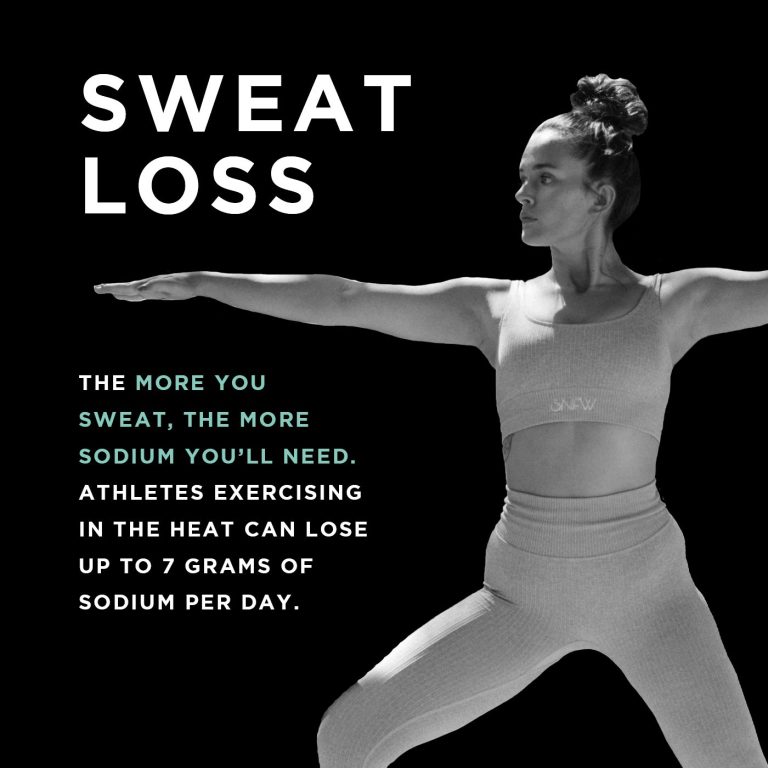
Perform better, longer. Besides electrolyte deficiency symptoms (literally) cramping your workout, they also support strength training, endurance sports, and any activity that works up a sweat by preventing hyponatremia—a low blood sodium condition that can lead to headaches, brain fog, fatigue, and of course those dreaded mid-workout cramps. Sodium is the main electrolyte lost through sweat, and if it’s not replaced (such as if you only rehydrate with plain water), the body can’t function optimally.
-
Support fasting. When you consume carbohydrates, the pancreas secretes insulin to store excess glucose for use later. But insulin serves other purposes as well—such as telling the kidneys to retain sodium. When you stop eating carbs (such as during a fast), the absence of insulin allows the kidneys to release sodium. Replacing that lost sodium with an electrolyte solution can help you continue to feel good on a fast—and since LMNT is zero-sugar, it won’t break a fast.
-
Support a low-carb diet. Low-carb diets are sometimes referred to as “fasting-mimicking diets.” Just like fasting, low-carb diets minimize the release of insulin, which signals your kidneys to excrete sodium. The fewer carbs you eat, the more sodium you lose—and the more sodium you need to replace.
-
Improve or maintain healthy blood pressure. Consuming fewer than 3 grams of sodium per day is associated with higher rates of adverse cardiovascular events and death. After all, electrolytes help send the signals that tell the heart to beat, and low blood sodium levels can stress the body (raising blood pressure). Adequate potassium intake can also improve hypertension by relaxing blood vessel walls.
-
Regulate digestion. Proper fluid balance and electrolyte intake (especially potassium and magnesium) support healthy digestion. Potassium helps the muscles in the gut contract and push digesting food forward through the intestines, while magnesium helps the muscles ahead of the food relax to allow it through.
-
Keep skin hydrated. Hydrated skin is happy skin. Since proper hydration is about fluid balance and not just water intake, hydrating with electrolytes can help you keep your skin beautiful: fewer cracked lips and dry patches.
-
Get better sleep. Quality sleep is critical to look, feel, and perform your best. Magnesium increases GABA, a neurotransmitter known for producing calming effects. And consuming adequate levels of sodium can help you sleep through the night because low sodium levels increase cortisol and adrenaline.
For a litany of information about the benefits of hydration and electrolytes, check out science.drinklmnt.com.
Use our code LOWCARBATHLETE at checkout to get a free variety pack upon purchase!
FITNESS
Endurance Activities
- Overhydration can cause hyponatremia, or low blood-sodium levels. Prevent hyponatremia by consuming electrolytes with your water.
- 13-15% of distance athletes develop hyponatremia.
- Sweating during exercise may promote hyponatremia by stimulating antidiuretic hormone, which tells the body to hold onto water.
- Drinking a saline solution was shown to reverse hyponatremia in ultra-distance runners.
- BLOG: How to hydrate for endurance sports
- BLOG: Signs and symptoms of hyponatremia
Strength Activities
- During strength training, rugby players were found to over-water, despite low sweat volumes.
- Inadequate potassium may hamper muscle gains. Sodium and magnesium are also important for muscle function.
- BLOG: Hydration for strength training
Hiking, Outdoor Activities, and Snow Sports
- You become less thirsty both in cold weather and at high elevations, but that doesn’t mean that you’re hydrated. This is one of few exceptions in which hydrating beyond thirst (within reason and with electrolytes) may be a useful protocol. You may not feel super thirsty, but you are losing fluids and electrolytes that need to be replaced.
- When at a higher altitude, there is less oxygen available for your body which means increased exertion required for a particular activity. When you increase exertion, you sweat more
- High-altitude increases respiratory water loss
- Cold weather and high altitudes produce a diuretic effect, increasing fluid and electrolyte loss through urine.
- When bundling up in heavy winter clothing, the humidity near your skin increases which means further sweating and electrolyte loss
- BLOG: Why winter hydration is important